
Museum of the Broads
HeritageBringing the Stories of the Waterways Alive: The Legacy of the Museum of the Broads
Step off the bustling roads of modern Norfolk and into the tranquil, waterside haven of The Poor’s Staithe at Stalham, and you are immediately transported to another time. The scent of aged timber, river water, and rich, damp earth hangs in the air. Here, the gentle lapping of the river against the hulls of historic vessels provides a soothing soundtrack, occasionally punctuated by the distant cry of a marsh harrier. This is the Museum of the Broads, an extraordinary sanctuary dedicated to the people, landscape, and wildlife of the Norfolk and Suffolk Broads. As you wander through its doors, you are not merely entering a building; you are stepping into the vibrant, living memory of one of the United Kingdom’s most unique landscapes.
The story of the Museum of the Broads is inextricably linked to the waterways it seeks to protect and celebrate. The Broads themselves are a magnificent accident of human industry—a vast network of navigable rivers and lakes formed by the flooding of medieval peat excavations. For centuries, this watery world was the lifeblood of East Anglia, shaping the lives of those who worked its reed beds, fished its waters, and navigated its winding currents.
The museum was born from a profound, collective desire to save the fast-disappearing heritage of this unique environment. Operating as an independent charitable trust, it receives no regular funding from government or local authorities. Instead, its existence is a testament to the passion of a fabulous band of volunteers and supporters who recognised that the true spirit of the Broads was slipping away as traditional industries modernised and old ways of life faded.
Roman Times Early populations begin exploiting the rich marshlands and waterways of the region for sustenance and transport.
Medieval Era Extensive peat digging shapes the land; these deep excavations later flood to create the iconic Broads landscape.
1940s The foundations of local leisure boating are solidified, notably with Richardson’s Boating Holidays beginning its 80-year legacy.
Modern Day The Museum of the Broads thrives at The Poor's Staithe, Stalham, run by dedicated volunteers to preserve this rich heritage.

Photo: Evelyn Simak , CC BY-SA 2.0. Source
From Working Waters to Leisurely Escapes
The journey of the Broads—and by extension, the museum—spans from the ancient to the modern. The museum’s narrative arc guides visitors from the days of Roman occupation, through the gruelling, muddy toil of medieval peat diggers, right up to the holidaymakers, sailors, and environmentalists who cherish the waterways today. A pivotal turning point in the region's history, perfectly captured by the museum, was the transition from a purely working landscape to a pioneer of leisure and tourism. The rise of the boating holiday transformed the local economy and culture, bringing a new wave of life to the rippling currents.
The museum acknowledges this profound shift, supported by long-standing local institutions like Richardson’s Boating Holidays, a family-owned business with an 80-year heritage that has become deeply woven into the fabric of the Broads. These partnerships, alongside the tireless work of local custodians, represent a modern milestone in heritage preservation: the realisation that the tourism industry and historical conservation can work hand-in-hand to protect the very magic that draws people to the water.
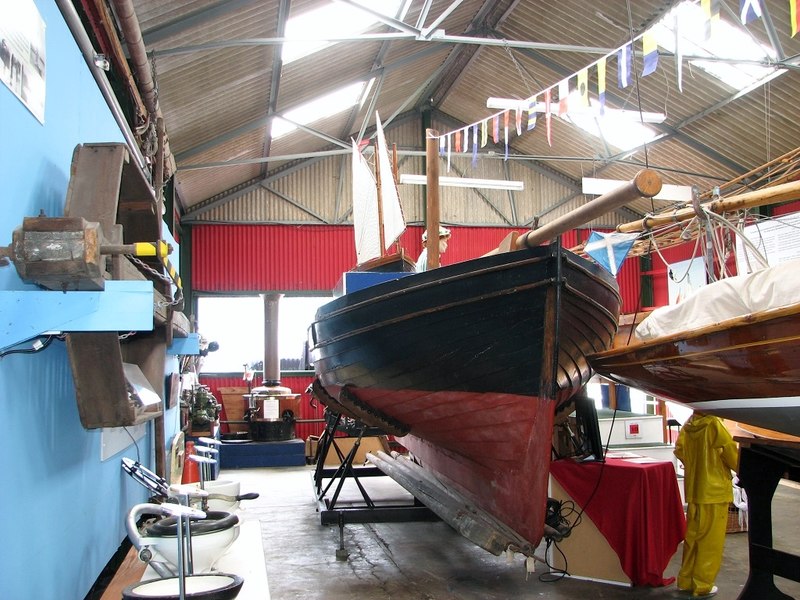
Photo: See Wikimedia Commons, See file page. Source
A Unique Collection of Broadland History
What sets the Museum of the Broads apart is the staggering uniqueness of its collection. It is a treasure trove of how people have historically exploited the land and waterways for food, transport, and leisure. Stepping into the exhibition spaces, visitors are greeted by an incredible array of Broads boats, many of which are the last of their kind. These vessels, from sleek racing yachts to sturdy working craft, are accompanied by the authentic tools used by the boatbuilders, reed cutters, and marshmen of generations past.

Photo: jeffowenphotos, CC BY 2.0. Source
Yet, the museum’s preservation efforts extend far beyond physical timber and canvas. The organisation has embraced the future to save the past, meticulously compiling a digital photo archive and preserving intricate boat plans that can be viewed on interactive computer screens. They continually host special exhibitions, such as showcases celebrating the work of “Philippa Miller – Broadland’s Artist,” ensuring that the cultural and artistic responses to the landscape are never forgotten. Furthermore, the museum has created an intimate audio guide tour, narrated by the very volunteers who keep the institution alive, adding a deeply personal, human voice to the artefacts on display.

Photo: jeffowenphotos, CC BY 2.0. Source
The Heartbeat of the National Park
The significance of the Museum of the Broads cannot be overstated. Without this dedicated repository, the physical and cultural evidence of a unique British way of life would simply rot away into the mud from which it was born. The museum anchors the ephemeral nature of water and time, providing a tangible connection to the ancestors who carved out a living in this beautiful but unforgiving environment.
It is a place where the intricate relationship between humanity and nature is laid bare. By preserving the tools of the marshman and the sails of the pleasure cruiser side-by-side, the museum tells a holistic story of adaptation, survival, and eventually, profound appreciation of the natural world. It reminds us that landscapes are not just scenery; they are shaped by, and in turn shape, the people who inhabit them. Without the Museum of the Broads, the rich, multifaceted identity of the Norfolk and Suffolk Broads would be reduced to mere geography, stripped of its soul and its stories.
Charting a Course for the Future
Looking forward, the Museum of the Broads continues to innovate, ensuring that the magic of the waterways is accessible to all. Visitors can take to the water themselves on the museum’s trip boat, the Marsh Harrier, to truly experience what makes the national park so special and spot the local wildlife in its natural habitat. Welcoming families, groups, and even dogs, the museum remains a dynamic, evolving hub of education and enjoyment at The Poor’s Staithe in Stalham. It stands as a beacon of community-led heritage, sustained by those who love the water.
This article was partly inspired by old photographs and recordings that came to light when someone brought their personal memories to be digitised. It made us wonder what else is out there—hidden away in attics, tucked into shoeboxes, or forgotten in old cupboards—connected to the Museum of the Broads and the people who lived and holidayed on these waters. If anyone holds old media connected to this remarkable organisation, services like EachMoment (https://www.eachmoment.co.uk) can help preserve them for future generations, ensuring that the living history of the Broads continues to be shared and celebrated.
Visitor Information
Location: The Poor's Staithe, Stalham, Norfolk, NR12 9DA
Opening Times: Open Tuesday – Sunday and Bank Holiday Mondays. (Please check the museum's website for seasonal updates to times and prices).
Admission: Adults: £9.50 | Children & Young People (12-18 years): £5.50 | Under 12s: Free. Combined museum and 50-minute boat trip tickets are available.
Facilities: Families, groups, and dogs are most welcome. Take a relaxing trip on the Marsh Harrier, complete with provided life jackets.