
The Tanfield Railway: 300 Years of History
The Tanfield Railway near Gateshead runs on a line from 1725: the Grand Allies, Causey Arch, the 1854 Marley Hill engine shed and its steam revival.
Heritage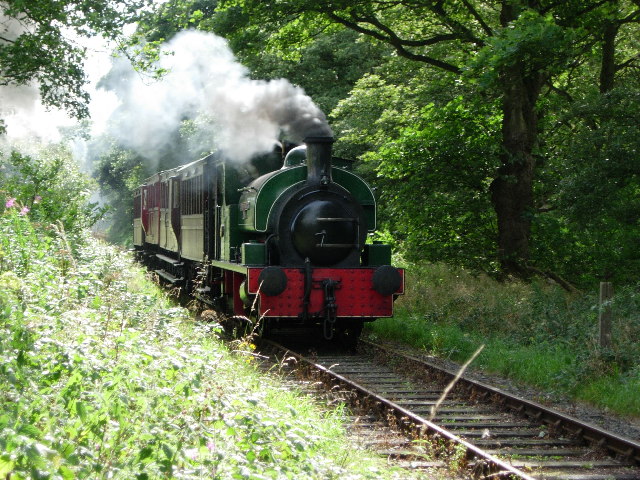
Imagine the biting wind sweeping across the rugged terrain of North East England, carrying with it the unmistakable, earthy scent of coal dust and damp earth. Here, long before the sleek, hissing steam engines of the Victorian era captured the world’s imagination, the rhythmic clatter of wooden wheels echoed through the valleys of County Durham and Gateshead. To stand on the platform of the Tanfield Railway today is to stand upon the very cradle of industrial transport. It is a place where time seems to fold in on itself, where the ghosts of eighteenth-century pitmen and colliery horses walk alongside the immaculately restored steam locomotives of the modern heritage line. Widely celebrated as the world's oldest railway still in operation, the Tanfield line is not merely a museum; it is a living, breathing artery of industrial history that has continuously pulsed with life for three centuries.
The Grand Allies and the Hunger for Coal
The story of the Tanfield Railway is inextricably linked to the voracious appetite for coal that drove the early engines of the Industrial Revolution. In the early eighteenth century, the landscape of the North East was pockmarked with collieries, all desperate for a reliable means to transport "black diamonds" to the staiths on the River Tyne. Recognising the immense profit to be made, a powerful syndicate of coal-owning families, known formidably as the "Grand Allies", joined forces.
By 1725, they had carved out a route through the unforgiving terrain, laying down a wooden-railed waggonway from Sunniside to Causey. This was a monumental undertaking. Unlike the railways we know today, this earliest iteration relied on the brute strength of horses and the pull of gravity to move heavy wooden chaldron wagons laden with coal. The engineering ambition of the Grand Allies laid the groundwork for a transport revolution that would eventually change the globe.

From Wood to Steel: An Evolution of Power
The relentless march of industrial progress meant the Tanfield Railway was perpetually evolving. The wooden tracks of 1725, though revolutionary, were soon outpaced by the demands of heavy industry. Between 1837 and 1840, the line underwent a dramatic transformation, casting off its timber origins and embracing the iron rails that would define the modern railway era. The introduction of stationary steam engines, and eventually, the formidable power of steam locomotives by 1881, banished the colliery horses to the annals of history, replacing muscle with steam.


For over a century, the line operated as a crucial industrial artery, hauling untold tons of coal from the collieries to the Tyne, fuelling the fires of the British Empire. Yet, the prosperity of coal was not eternal. In 1964, the closure of the East Tanfield colliery severed the railway's industrial lifeblood, leaving the tracks to rust and the great engines to fall silent. It seemed the world's oldest railway had reached the end of the line. But a dedicated group of enthusiasts refused to let this irreplaceable piece of global heritage vanish into obscurity. When the Marley Hill Engine Shed's industrial use ended in 1970, they set to work there, preparing locomotives for steaming and repairing the shed; by 1973 the first preserved engines were in steam before the public, and in 1981 passenger trains began running to Sunniside, breathing new life into the historic iron road.
Guardians of the Steam Age
Today, the Tanfield Railway operates as a custodian of mechanical marvels that defy the passage of time. To visit is to step directly into the golden age of industrial steam. The railway boasts a remarkable collection of vintage rolling stock, with a fleet of passenger carriages entirely dating back to the 19th century. Visitors are transported in these beautifully restored wooden coaches, experiencing the sights, sounds, and smells of Victorian travel exactly as it was over a century ago.


At the heart of the preservation effort is the Marley Hill Engine Shed. Constructed in 1854, it holds the prestigious title of the world's oldest locomotive shed still in active use. Inside this cathedral of industry, volunteers meticulously maintain a significant roster of industrial steam locomotives. Among these giants of iron and brass is the railway's oldest locomotive, a magnificent machine built in Gateshead in 1873. These are not static museum pieces trapped behind glass; they are roaring, soot-belching leviathans that conquer the steep gradients of the historic line, a testament to the enduring skill of Victorian engineers and the tireless dedication of modern-day volunteers.
Engineering Feats That Changed the World
The historical gravity of the Tanfield Railway cannot be overstated. It predates the legendary Stockton and Darlington Railway by a full century, and today runs on the standard gauge of 4 ft 8½ in (1,435 mm). Its infrastructure includes engineering firsts of global importance. The Causey Embankment, raised for the waggonway in the 1720s, was a staggering achievement of manual labour designed to maintain the line's gradient.


In 1727 the Causey Arch was completed. Spanning over 100 feet across a dramatic gorge, it remains the world's oldest surviving single-arch railway bridge. These structures stand as silent, stoic witnesses to the birth of the railway age, monuments to the ingenuity of the men who dared to reshape the landscape to facilitate the movement of coal.
Three Centuries On
Having celebrated its tercentenary in 2025, marking an astonishing 300 years of history, the Tanfield Railway stands as a shining beacon of heritage preservation. It is a three-mile journey not just through the picturesque countryside of County Durham and Gateshead, but through three centuries of human endeavour, innovation, and resilience. Kept alive by an army of passionate volunteers, the line ensures that the legacy of the Grand Allies and generations of railway workers is never forgotten. Timetables and tickets are on the Tanfield Railway website.
This article was written by EachMoment, which digitises old photographs, films and tapes, as part of a series on local heritage.