
Is It Worth Digitising Old VHS Tapes? How to Decide Which Ones to Save
 Maria C

Updated November 2026
Yes — it is worth digitising old VHS tapes if they hold home recordings you can't get anywhere else. Shop-bought films rarely justify the cost, but personal memories are irreplaceable. Both the magnetic tape and the players required to read it are ageing rapidly, so decide tape by tape and save what matters.
Key takeaways
- Home recordings of family events are always worth saving; shop-bought films and generic TV recordings are not.
- Videotape degrades over time, and working players are increasingly scarce, making transfer an urgent task.
- Sorting your tapes into "save", "let go", and "maybe" piles helps control the cost.
- Volume discounts and early-bird returns lower the price significantly when you digitise a whole batch at once.
- DIY suits a handful of tapes in good condition and a VCR you trust; fragile, mouldy or irreplaceable tapes are safer with a professional transfer.
The short answer: worth it for home recordings, rarely for shop-bought films
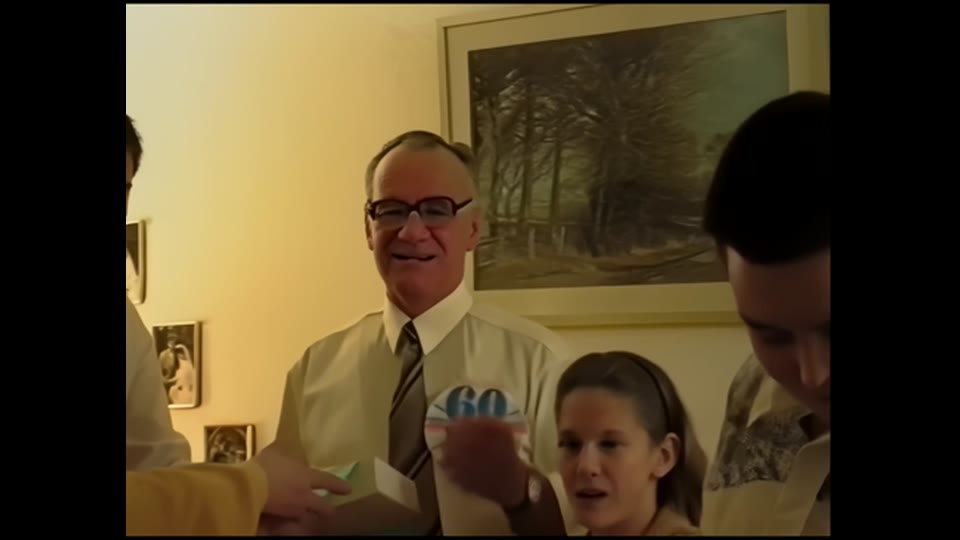
The value of digitising your tapes entirely depends on what is recorded on them. If a cassette holds a recording of your wedding, a child's early steps, or a family gathering featuring relatives who are no longer with us, the answer is a resounding yes. These are unique, irreplaceable historical documents for your family. You cannot replace them if they degrade or snap. Paying a professional service to digitise these moments ensures they survive for future generations to watch easily on modern devices.
Conversely, a commercially produced tape of a blockbuster film or a recording of a television series you can stream today is not worth the expense. Save your budget for the footage that only exists in that single plastic cassette. If the tapes matter, the safer route is a professional transfer: our VHS to digital service handles the entire process for you safely and securely.
Why waiting makes the decision harder every year
You cannot simply store video cassettes in a loft and expect them to remain in perfect condition. The magnetic oxide layer that holds the video signal naturally degrades. At the same time, the chemical binder holding that oxide to the plastic backing deteriorates. Storing tapes in damp lofts, cold garages, or garden sheds accelerates this process and frequently leads to mould growth on the tape itself.
The British Film Institute (BFI) treats magnetic videotape as an at-risk format. The medium itself is deteriorating, and the equipment required to play it is obsolete. Manufacturers no longer make working VCRs, making spare parts and fully functional units increasingly scarce. Every time you play an old, fragile tape in a worn, unserviced machine, you risk chewing and destroying the cassette. To understand the timeline of this degradation, read our guide on how long VHS tapes last.



How to decide which tapes to save: a five-question test
- Is it a home recording? Prioritise camcorder footage, weddings, christenings, birthdays, school plays, and off-air recordings of family members appearing on television.
- Is it the only copy? If no other family member holds a digital copy or another tape of this event, it goes straight to the front of the queue.
- Is someone in it no longer with us, or would someone deeply miss it if it were gone? Emotional value dictates that you must preserve these specific memories.
- Is it a commercial film you could stream or buy on a modern format? Skip these entirely. To understand why, read our article on what collectors actually pay for VHS tapes.
- What condition is the cassette in? Look for obvious white mould, damp smells, or snapped tape. These require professional cleaning and repair before transfer.
Apply a simple rule of thumb: create a "save" pile for personal memories, a "let go" pile for commercial films, and a "maybe" pile for tapes with missing labels.
Sort your box in an afternoon

You can triage a large box of tapes quickly by setting up three clear physical piles on your floor or table. Read the handwritten labels on the face and the spine of every cassette. Include all tape formats in this process; smaller VHS-C camcorder tapes count exactly the same as full-sized cassettes and hold equally precious home movies.
Do not test-play unknown or visibly mouldy tapes on an old VCR. You will contaminate the player with mould spores or snap a fragile tape on the playback heads. Note any tapes with completely blank labels. These are very often home recordings rather than shop-bought films, so keep them in the "save" pile. Finally, never fast-forward or rewind a tape to guess its contents, as the mechanical stress often snaps the brittle plastic tape inside.
What it costs, and how to keep it down
The base price for transfer is £14.99 per tape, and this applies to VHS, VHS-C, and other camcorder formats alike. We offer volume discounts based on your order value: 10% off from £75, 15% from £150, 20% from £250, 25% from £500, and 33% from £1,000. You also get an extra 10% early-bird discount if you return the Memory Box within about 21 days. With both discounts applied to a large order, the price drops to from about £9 a tape. An optional AI enhancement add-on is available for £4.99 per tape.
| Order size | Approx. price per tape |
|---|---|
| 1–5 tapes | £14.99 |
| 6–10 tapes | £13.49 |
| 11–16 tapes | £12.74 |
| 17–33 tapes | £11.99 |
| 34–66 tapes | £11.24 |
| 67+ tapes | £10.04 |
Consider this worked example: you find 12 home recording tapes. The cost is 12 × £12.74, which totals approximately £152.88 before the early-bird discount. When you return the box quickly to claim the early-bird extra 10%, the total drops to about £137.59. The golden rule is to digitise all your chosen keepers in one single order. It is far cheaper per tape to send a large batch than to pay piecemeal for a few cassettes at a time.
Your options compared
| Option | What drives the cost | Main risk | Your time |
|---|---|---|---|
| Do nothing and keep the tapes | Zero financial cost now. | Tapes degrade until unplayable; memories are lost forever. | None. |
| DIY with a capture stick and an old VCR | A capture stick plus a working VCR, which is increasingly hard to find. | Chewed tape on an unserviced player; wobbly picture quality. | Hours in real time per tape, plus setup. Fine for a few healthy tapes if you already own a working VCR. |
| High-street or local shop | Premium flat rate per tape; travel costs. | Variable equipment standards; limited capacity for large orders. | Two trips to the shop. |
| Postal service like EachMoment | Number of tapes; discounted heavily by volume. | Time in the post (tracked courier both ways). | Minutes to pack the box. |
When selecting which tape to send, remember that originals always beat copies in quality. Always send the original camcorder tape from the camera rather than a dub you made to a full-size VHS tape years ago.
What happens if you decide to send them

- You order a Memory Box from EachMoment online.
- You pack all your chosen keeper tapes securely into the sturdy box.
- A tracked courier collects the box and transports it both ways to our European lab.
- Our technicians perform inspection, cleaning, and repair on every cassette. Mould treatment and repairs to snapped tape cost a small extra per item, shown clearly before you pay.
- Each tape is played on a working VHS deck and digitised in real time.
- Your digital files are uploaded to a private Cloud Album, with optional USB or DVD delivery formats available.
- Your original tapes come back to you safely.
Turnaround is around 9–10 weeks counted from the day payment clears once your box is back with us. Rush processing is available if you need the files sooner. Full details are on our VHS conversion page. You can trust the process entirely; EachMoment has handled over 500,000 items and is rated 4.7 out of 5 from more than 12,000 customer surveys.
When it isn't worth it
Digitisation is not worth the expense for shop-bought feature films. The major studios have already remastered these films in high definition for streaming platforms and modern physical media. Duplicates of recordings you already have digitally are also a waste of money, as are general recordings of broadcast television programmes that you can easily find elsewhere.
Once you sort out the unwanted tapes, do not throw them in the general waste bin. Read our guide on what to do with old VHS tapes for proper recycling and donation instructions.
Frequently asked questions
Is it worth converting VHS to digital?
Yes, converting VHS to digital is entirely worth it for personal home videos, weddings, and family memories. Magnetic tape degrades over time, and playback equipment is obsolete. Digitising them ensures your unique memories survive, allowing you to watch them easily on phones, computers, and modern televisions without risking tape damage.
How long do VHS tapes last before they're unwatchable?
There is no fixed expiry date: a tape kept cool and dry can still play well decades later, while one stored in a damp loft can fail much sooner. The magnetic signal weakens, and the chemical binder breaks down. Poor storage in damp or varying temperatures drastically accelerates this decline. Eventually, the oxide sheds completely, or the tape snaps, rendering the cassette completely unwatchable.
Can you digitise a VHS tape that has mould on it?
Yes, but do not play it on your own VCR first: mould can damage both the tape and the heads. A professional service cleans the tape before playback. At our lab, inspection and cleaning are included. Mould treatment requires specialised manual cleaning to remove spores safely before playback, preventing damage to the tape and the machine. This specialised cleaning costs a small extra per item, shown before you pay.
Is it cheaper to digitise VHS tapes yourself?
DIY digitisation requires buying a capture device and sourcing a functional, serviced VCR, which is increasingly expensive. You also risk destroying fragile tapes in unserviced machines and spend hours transferring footage in real time. For a box of irreplaceable home recordings, a professional transfer is the lower-risk choice.
Do I get my original VHS tapes back?
Yes, your original tapes come back to you securely. Once we digitise your memories and upload the files to your private Cloud Album, we pack the original cassettes back into your Memory Box. A tracked courier delivers them safely back to your door alongside your digital copies.
How much does it cost to digitise VHS tapes in the UK?
Our base price is £14.99 per tape. However, volume discounts scale up to 33% off for larger orders, and a 10% early-bird discount applies if you return your Memory Box within about 21 days. With maximum discounts applied, the cost drops to from about £9 a tape.
Found the tapes worth saving?
Order a Memory Box, post your keepers to our lab by tracked courier, and get them back with your files in a private Cloud Album.
Start your VHS transfer →